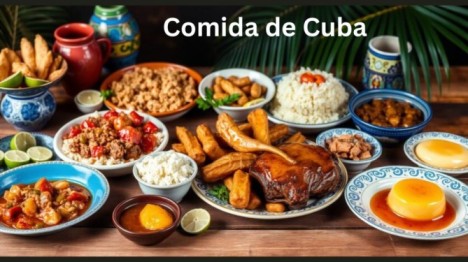
A Tienda De Comida is more than just a grocery store. It is a cultural hub that reflects the traditions, flavors, and daily life of Latin communities. These stores play a vital role in preserving culinary heritage while providing essential food products that are often hard to find in traditional supermarkets. This article offers an informative and objective look at Tienda De Comida: A Cultural Guide to Latin Grocery Shopping, exploring its cultural importance, practical function, and the key factors that influence how these stores operate.
What is a Tienda De Comida?
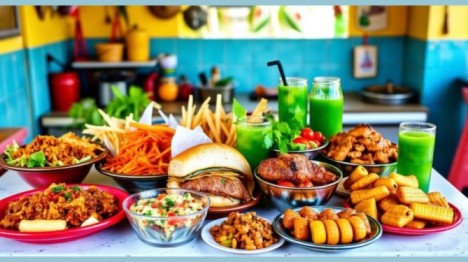
A Tienda De Comida is a Latin grocery store specializing in foods, spices, beverages, and household items commonly used in Latin American cuisines. Unlike large chain supermarkets, these stores tend to focus on region-specific products, such as dried chilies, masa harina, tropical fruits, beans, rice varieties, and traditional snacks.
These stores often appear in neighborhoods with strong Latin cultural roots, serving both immigrant families and local shoppers who want authentic ingredients. The environment is usually more personal, with staff who can recommend products or share cooking tips.
Also Read: Tuambia: The Rise and Fall of Cuba’s Groundbreaking E-Commerce Platform
Cultural Significance of a Tienda De Comida
One of the most important aspects of a Tienda De Comida is its cultural role. These stores help preserve food traditions by providing access to ingredients used in traditional recipes. For many families, shopping at a Tienda De Comida is a way to stay connected to their heritage.
Culturally, these stores function as community gathering points. Shoppers often meet neighbors, exchange recipes, and share cultural experiences. This gives the store a social value that goes beyond simple retail.
Tradeoff to consider:
While the strong cultural focus builds loyalty and identity, it can limit product variety for shoppers who want wider international or mainstream options.
Key Products Found in a Tienda De Comida
A typical Tienda De Comida offers a range of culturally specific products:
- Fresh produce like plantains, yucca, tomatillos, and tropical herbs
- Dry goods such as rice, beans, lentils, and flours
- Traditional spices and seasoning blends
- Packaged snacks and candies from Latin countries
- Fresh tortillas, baked goods, and sometimes ready-to-eat meals
These items give customers access to authentic flavors that are often missing from larger grocery chains.
Challenge involved:
Some ingredients are seasonal or imported, which can increase costs and cause inconsistent availability.
Economic and Supply Chain Factors
Operating a Tienda De Comida involves balancing affordability and quality. Many stores rely on specialized importers for authentic products, which can affect prices and stock reliability.
Owners must make careful decisions about:
- Whether to import goods or source locally
- How to balance competitive pricing with operational costs
- Which regions or cuisines to focus on (Mexican, Caribbean, Central or South American)
Tradeoff in decision-making:
Importing authentic products increases cultural accuracy but raises costs, while local alternatives lower prices but may reduce authenticity.
Customer Experience and Shopping Behavior
The shopping experience inside a Tienda De Comida is usually highly personalized. Customers often build strong relationships with store owners and staff.
Key factors that affect customer experience:
- Language accessibility (Spanish and bilingual service)
- Store layout and organization
- Freshness and quality of products
- Cleanliness and food safety standards
Challenge to manage:
Smaller store spaces may lead to crowded aisles or limited inventory, which can affect comfort and convenience compared to large supermarkets.
Cultural Authenticity vs. Modern Convenience
Modern shoppers increasingly expect convenience features such as digital payments, online orders, and delivery services. For Tienda De Comida, this introduces a major balancing act.
Store owners must decide:
- Whether to adopt modern technology or keep traditional operations
- How to maintain a cultural atmosphere while upgrading services
- Whether to partner with delivery apps or manage in-house services
Tradeoff involved:
Technology improves accessibility and sales, but can reduce the traditional, community-focused shopping experience.
Health, Nutrition, and Food Awareness
A Tienda De Comida can strongly influence dietary habits. Many traditional Latin foods are rich in whole grains, legumes, and natural spices, supporting balanced nutrition. However, processed snacks and sugary drinks are also widely available.
Important decision factor:
Store planners and shoppers must balance cultural food preferences with health awareness, especially in communities facing higher risks of diet-related diseases.
Environmental and Community Impact
The decisions made by a Tienda De Comida affect more than just individual shoppers. These stores impact the local environment and economy.
Key impacts include:
- Support for local farmers and small suppliers
- Packaging waste from imported products
- Energy use for refrigeration and storage
Challenge to address:
Eco-friendly packaging and sustainable sourcing often cost more, creating a tradeoff between environmental responsibility and affordability.
Challenges Facing Tienda De Comida Businesses
Despite their cultural value, Tienda De Comida businesses face significant challenges:
- Competition from large supermarket chains
- Rising import and transportation costs
- Changing consumer preferences
- Regulatory and food safety compliance
Owners must carefully balance tradition, profitability, and modernization.
Why Thoughtful Decision-Making Matters
When engaging with Tienda De Comida: A Cultural Guide to Latin Grocery Shopping, it is important to understand how decisions affect culture, health, economy, and sustainability. Shoppers influence these outcomes through their purchasing habits, while store owners shape them through sourcing, pricing, and operational choices.
Considering the wider impact helps maintain a balance between:
- Cultural preservation
- Customer convenience
- Business sustainability
- Community well-being
Final Thoughts
Tienda De Comida: A Cultural Guide to Latin Grocery Shopping highlights how these stores function as more than retail spaces. A Tienda De Comida carries cultural memory, supports local economies, and offers access to authentic food traditions.
At the same time, these stores face complex tradeoffs involving cost, authenticity, convenience, health, and environmental responsibility. Understanding these factors helps shoppers and business owners make informed, balanced decisions that support both cultural heritage and modern needs.
Frequently Asked Questions (FAQs)
- What is a Tienda De Comida?
A Tienda De Comida is a Latin grocery store that sells traditional foods, spices, produce, and household items from Latin American cultures. - How is a Tienda De Comida different from a supermarket?
Unlike large supermarkets, a Tienda De Comida focuses on culturally specific products and offers a more personalized shopping experience. - What products can I find in a Tienda De Comida?
You can find fresh produce, dried beans, rice, spices, tortillas, snacks, and beverages from Latin American countries. - Are Tienda De Comida stores expensive?
Prices vary. Some imported items may cost more, but many staple foods are affordable. - Can non-Latin shoppers visit a Tienda De Comida?
Yes, anyone can shop there. These stores are open to all customers interested in exploring Latin foods.
Disclaimer Paragraph
This article is for informational purposes only and does not constitute business, cultural, or dietary advice. While we strive to provide accurate and up-to-date information, we do not guarantee the completeness or accuracy of the content. In the event of any errors or omissions, we shall not be held responsible or liable. Readers are encouraged to conduct their own research before making any decisions based on this information.