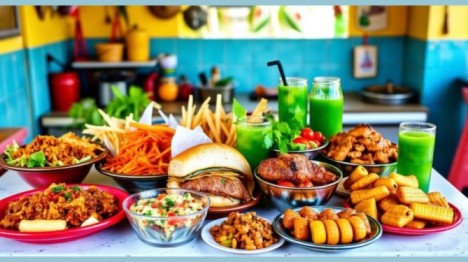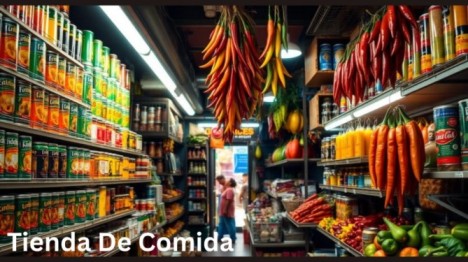
Cuban cuisine is much more than just food. It is history on a plate, culture in every bite, and tradition passed down through generations. In this complete guide, we will explore Comida de Cuba in a clear, informational way, answering common questions and helping you understand what makes Cuban food so special.
What Is Comida de Cuba?
Comida de Cuba refers to the traditional foods and cooking styles of Cuba. It represents a blend of Spanish, African, Caribbean, and indigenous Taíno influences. Over time, these cultures shaped Cuban cooking into a cuisine known for comforting flavors, simple ingredients, and slow-cooked meals.
Unlike very spicy cuisines, Cuban food focuses on balance. It uses herbs, citrus, garlic, onions, and mild spices to create deep flavor without overwhelming heat. As a result, Comida de Cuba is approachable and loved by many cultures around the world.
Why Is Comida de Cuba So Important to Cuban Culture?
Food plays a central role in Cuban daily life and celebrations. Families gather around meals, recipes are shared orally, and traditional dishes are often linked to memories and emotions.
Because Cuba has experienced periods of scarcity, Comida de Cuba also reflects creativity and resilience. Cuban cooks learned to make delicious meals with limited resources. Therefore, many dishes emphasize rice, beans, root vegetables, and affordable cuts of meat. These meals are filling, nourishing, and deeply meaningful.
What Are the Main Influences Behind Comida de Cuba?
Comida de Cuba is shaped by several cultural influences that came together over centuries.
Spanish colonizers introduced rice, pork, olive oil, and cooking techniques like stewing. African slaves contributed cooking methods, root vegetables, and strong seasoning traditions. Caribbean neighbors added tropical ingredients, while the Taíno people influenced the use of cassava, corn, and slow roasting.
As a result, Cuban food reflects a rich cultural fusion that is both practical and flavorful.
What Are the Most Popular Traditional Cuban Dishes?
Some dishes appear on almost every Cuban table. These foods are staples of Comida de Cuba and represent its heart.
Ropa vieja is one of the most famous Cuban dishes. It features shredded beef cooked slowly in a tomato-based sauce with peppers and onions. Another classic is arroz con frijoles, which combines rice and beans, often cooked together for extra flavor.
Lechón asado, or roasted pork, is commonly served during holidays. Picadillo, a ground beef dish with olives and raisins, shows the Spanish influence clearly. These meals are simple, yet deeply satisfying.
How Are Rice and Beans Used in Comida de Cuba?
Rice and beans are essential components of Comida de Cuba. They appear in nearly every meal and are considered comfort food.
Moros y cristianos combines black beans and rice cooked together. Meanwhile, congri is made with red beans and rice. These dishes provide protein, energy, and flavor while remaining affordable.
Because of their importance, rice and beans are often served alongside meat, vegetables, or fried plantains. Together, they create a complete and balanced meal.
What Role Do Meats Play in Traditional Cuban Food?
Meat is an important part of Comida de Cuba, but it is used carefully. Pork is the most popular meat, followed by chicken and beef.
Instead of large portions, Cuban dishes focus on slow cooking to enhance flavor. For example, pork is marinated with garlic, citrus, and herbs before roasting. Beef is often shredded or minced to stretch servings while keeping meals filling.
This approach reflects Cuban history and emphasizes making the most of available ingredients.
Why Are Plantains So Common in Comida de Cuba?
Plantains are a cornerstone of Cuban cooking. They can be prepared in several ways, each offering a different texture and taste.
Tostones are green plantains fried twice until crispy. Maduros are ripe plantains fried until sweet and soft. These side dishes add contrast to savory meals and balance flavors beautifully.
Because plantains grow well in tropical climates, they became a reliable and beloved ingredient in Comida de Cuba.
What Spices and Seasonings Are Used in Cuban Cooking?
Cuban food relies more on aromatics than spicy heat. Garlic, onions, bay leaves, cumin, and oregano are commonly used. Sour orange juice, or lime juice as a substitute, adds brightness.
Sofrito is a key flavor base in many dishes. It is made by cooking onions, garlic, peppers, and herbs in oil. This mixture forms the foundation of soups, stews, and rice dishes throughout Comida de Cuba.
How Is Comida de Cuba Different From Other Latin Cuisines?
Although Cuban food shares similarities with other Latin cuisines, it has unique characteristics. Unlike Mexican food, Cuban dishes rarely use chili peppers. Compared to Caribbean cuisines, Cuban food is less spicy and more savory.
Additionally, Cuban cooking focuses heavily on slow cooking and stewing. This method creates tender textures and deep flavors without relying on heavy seasoning. As a result, Comida de Cuba stands out for its simplicity and warmth.
What Are Common Cuban Soups and Stews?
Soups and stews are comfort foods in Comida de Cuba. Ajiaco is one of the oldest Cuban dishes. It is a hearty stew made with meats, root vegetables, corn, and squash.
Caldo gallego, influenced by Spanish immigrants, is another popular soup. These dishes are filling and often prepared for large gatherings, reinforcing the communal nature of Cuban meals.
What Desserts Are Traditional in Comida de Cuba?
Cuban desserts tend to be sweet but not overly complex. Many are made with milk, sugar, and tropical fruits.
Flan is the most well-known dessert. It features a smooth custard topped with caramel sauce. Arroz con leche, a creamy rice pudding with cinnamon, is another favorite.
Guava paste paired with cheese is a simple yet iconic Cuban dessert. These sweets often conclude meals on a comforting note.
How Has Comida de Cuba Changed Over Time?
Comida de Cuba has evolved due to economic changes, migration, and globalization. While traditional recipes remain important, modern Cuban cooking includes adaptations based on available ingredients.
Outside of Cuba, Cuban communities have introduced new variations. However, the essence of Comida de Cuba remains the same. It continues to focus on family, resourcefulness, and balanced flavors.
Can Comida de Cuba Be Considered Healthy?
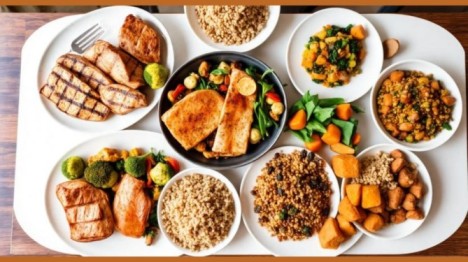
Many Cuban dishes are naturally balanced. They include rice, beans, vegetables, and moderate portions of meat. These elements provide fiber, protein, and essential nutrients.
However, some dishes are fried or high in carbohydrates. Balance and portion control are key. When prepared thoughtfully, Comida de Cuba can fit well into a healthy diet.
Why Is Comida de Cuba Gaining Global Popularity?
Cuban food is gaining attention worldwide because of its comforting nature and rich history. People are drawn to its authenticity and simplicity.
As Cuban restaurants open globally, more people experience traditional dishes. Food tourism and cultural interest have also helped bring Comida de Cuba to international audiences.
What Are the Most Frequently Asked Questions About Comida de Cuba?
Many people ask whether Cuban food is spicy. Generally, it is not. Others wonder if Cuban food is similar to Mexican food, which it is not.
Another common question is whether Cuban food is affordable to make. The answer is yes. Most Comida de Cuba recipes use simple and accessible ingredients.
How Can You Experience Authentic Comida de Cuba at Home?
You can start by cooking classic recipes such as arroz con frijoles or ropa vieja. Focus on fresh ingredients and slow cooking methods.
Learning about the cultural background also enhances the experience. Cooking Comida de Cuba is not just about eating. It is about understanding tradition and connection.
Final Thoughts on Comida de Cuba
Comida de Cuba is a reflection of Cuban history, resilience, and warmth. Its dishes are comforting, meaningful, and rooted in family life.
By exploring traditional Cuban food, you gain insight into a culture that values simplicity, flavor, and togetherness. Whether you are cooking at home or dining out, Comida de Cuba offers an unforgettable experience.
Disclaimer:
The information provided in this article about Comida de Cuba is for general informational and educational purposes only. While every effort has been made to ensure accuracy, culinary traditions, ingredients, and recipes may vary by region, household, and availability. This content is not intended as professional nutritional, dietary, or medical advice. Readers are encouraged to consult qualified professionals for specific dietary needs or health concerns and to explore authentic sources or local experts for traditional Cuban cooking practices.