Cuban cuisine, or Comida Cubana, is a vibrant mix of flavors, history, and culture that reflects the island’s rich heritage. From its Spanish, African, and Caribbean roots to its modern adaptations, Cuban food tells a story in every bite. Whether you’re a culinary adventurer or simply curious about new flavors, exploring Comida Cubana is an unforgettable experience.
What Makes Comida Cubana Unique?
What sets Comida Cubana apart from other Latin American cuisines is its unique blend of influences. Spanish colonizers brought ingredients like rice, olive oil, and citrus, while African slaves introduced hearty stews, plantains, and bold seasoning techniques. Later, Caribbean and Native Taino elements added tropical flavors like yuca, malanga, and tropical fruits.
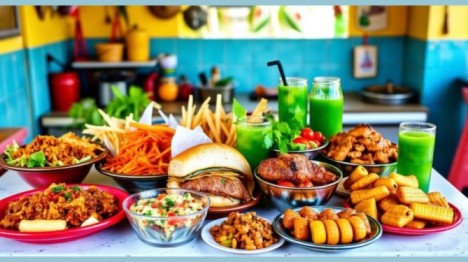
The result? A cuisine full of contrast: savory yet sweet, hearty yet light, simple yet deeply flavorful. Staples such as ropa vieja (shredded beef in tomato sauce), moros y cristianos (black beans and rice), and tostones (fried plantains) are just the beginning of the Cuban culinary adventure.
What Are the Must-Try Dishes in Comida Cubana?
If you’re new to Comida Cubana, certain dishes are essential for understanding the island’s culinary identity:
- Ropa Vieja: Tender shredded beef cooked in a rich tomato-based sauce with peppers and onions.
- Lechón Asado: Slow-roasted pork marinated with citrus and garlic, often considered the star of Cuban feasts.
- Moros y Cristianos: A delicious combination of black beans and white rice, symbolizing cultural fusion.
- Tostones and Maduros: Fried plantains, either crispy and salty or sweet and caramelized.
- Picadillo: Ground beef simmered with olives, raisins, and spices, a dish that balances savory and sweet.
Each dish reflects Cuba’s history, culture, and the creative ways locals make the most of available ingredients.
How Does Culture Influence Comida Cubana?
Food in Cuba is more than sustenance; it’s a cultural expression. Comida Cubana is often associated with family gatherings, festivals, and communal meals. Traditional recipes are passed down through generations, keeping family traditions alive.
Moreover, the way dishes are prepared reveals the island’s cultural values. Slow cooking techniques emphasize patience and care, while the bold use of garlic, citrus, and spices demonstrates an appreciation for strong, vibrant flavors.
Can Comida Cubana Be Healthy?
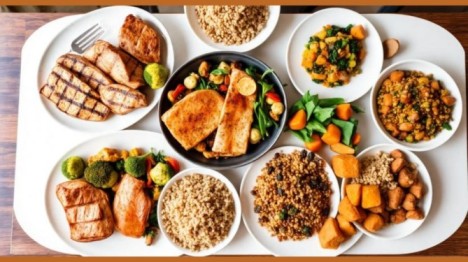
Many people wonder if Comida Cubana can be part of a balanced diet. Fortunately, yes! Traditional Cuban dishes often include lean proteins, legumes, vegetables, and healthy fats. For example:
- Black beans are a rich source of protein and fiber.
- Yuca and plantains provide complex carbohydrates.
- Citrus marinades reduce the need for excess oil.
However, like any cuisine, moderation is key, as some dishes can be high in sodium or fried. By choosing grilled, baked, or stewed options, you can enjoy authentic Comida Cubana while maintaining a healthy lifestyle.
How Has Comida Cubana Evolved Over Time?
Cuban cuisine continues to evolve, both on the island and abroad. Cuban chefs in the diaspora, particularly in the United States, have adapted traditional recipes to incorporate new ingredients and modern cooking techniques.
For instance, fusion restaurants may pair ropa vieja with quinoa or serve plantain chips with innovative dips. Yet, despite these adaptations, the essence of Comida Cubana, its bold flavors, cultural storytelling, and communal spirit remains intact.
Where Can You Experience Authentic Comida Cubana?
Experiencing Comida Cubana firsthand is easier than ever, whether through travel or local Cuban restaurants. Cities like Miami, Tampa, and New York host vibrant Cuban communities, offering everything from street food to fine dining.
When trying Comida Cubana, look for restaurants that:
- Use fresh ingredients.
- Prepare dishes from scratch.
- Follow traditional cooking methods.
Additionally, home-cooked meals shared with Cuban families provide the most authentic experience, allowing you to taste not only the food but the stories behind it.
What Are Common Ingredients in Comida Cubana?
Certain ingredients are fundamental to Comida Cubana, forming the backbone of its flavor profiles:
- Rice and beans: Essential staples that accompany nearly every meal.
- Plantains: Used in both savory and sweet preparations.
- Citrus (especially lime and sour orange): Adds brightness and tenderizes meats.
- Garlic and onions: Key aromatics in Cuban cooking.
- Pork and beef: Primary proteins, often marinated or slow-cooked.
By combining these ingredients creatively, Cuban chefs achieve dishes that are both comforting and exciting.
FAQs About Comida Cubana
Q: Is Comida Cubana spicy?
A: Surprisingly, traditional Cuban dishes are not very spicy. Instead, they focus on aromatic seasonings like garlic, onions, and herbs for bold flavor without overwhelming heat.
Q: Can I make Comida Cubana at home?
A: Absolutely! Many dishes, such as picadillo and moros y cristianos, require simple ingredients and straightforward techniques, making them perfect for home cooking.
Q: What drinks pair well with Comida Cubana?
A: Traditional beverages like Cuban coffee, mojitos, and tropical fruit juices complement the flavors of Comida Cubana beautifully.
Q: Is Comida Cubana gluten-free?
A: Most traditional dishes are naturally gluten-free, as rice, beans, plantains, and meats form the core of the cuisine.
Conclusion
Comida Cubana is more than just food; it’s a journey through history, culture, and flavor. From classic dishes like ropa vieja and lechón asado to the daily staples of rice, beans, and plantains, every meal tells a story. Whether you’re exploring Cuban cuisine for the first time or seeking to recreate authentic dishes at home, Comida Cubana offers a rich, vibrant, and unforgettable culinary experience.
Embrace the flavors, savor the traditions, and let each dish transport you to the heart of Cuba.