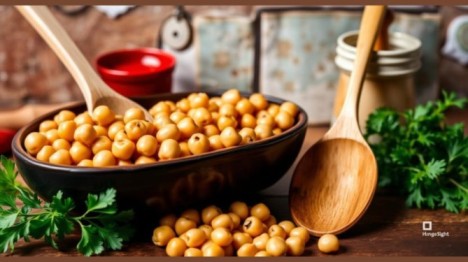
Maintaining a healthy diet is essential for overall well-being, and one of the most effective ways to support your health is by including sufficient protein in your meals. High protein dinners can help with muscle growth, weight management, and overall energy levels. In this article, we’ll explore high protein dinner ideas, discuss the key factors that influence their effectiveness, and examine the tradeoffs and challenges involved in planning these meals.
Why High Protein Dinners Matter
Protein is a vital macronutrient that plays many roles in the body. It contributes to:
- Muscle repair and growth: Essential for anyone who exercises regularly or is recovering from injury.
- Satiety and weight management: High protein meals help you feel full longer, reducing the likelihood of overeating.
- Metabolic support: Protein can increase metabolism slightly due to the energy required for digestion, known as the thermic effect of food.
- Overall health: Proteins are involved in hormone production, immune function, and cell repair.
Including high protein dinner ideas in your meal planning ensures that your body gets these benefits while helping you maintain a balanced diet.
Key High Protein Dinner Ideas
Here are some nutritious and accessible options for high protein dinners:
1. Grilled Chicken with Quinoa and Vegetables
Chicken breast is low in fat and rich in protein, while quinoa adds additional protein and fiber. Pairing it with vegetables makes a balanced meal.
2. Salmon with Steamed Broccoli and Brown Rice
Salmon provides not only protein but also heart-healthy omega-3 fatty acids. Combined with complex carbs from brown rice and fiber from broccoli, it’s a wholesome dinner.
3. Tofu Stir-Fry with Mixed Vegetables
For plant-based options, tofu is an excellent source of protein. Stir-frying it with a variety of colorful vegetables ensures a nutrient-dense and satisfying meal.
4. Lean Beef and Sweet Potato Bowl
Lean beef provides high-quality protein, iron, and B vitamins. Pairing it with sweet potatoes gives you complex carbohydrates and additional fiber.
5. Lentil and Chickpea Curry
Legumes like lentils and chickpeas are rich in protein and fiber. This vegetarian curry can be served with brown rice or whole-grain bread for a filling and healthy dinner.
Balancing Different Factors
While planning high protein dinners, it’s important to balance multiple factors:
- Calorie intake: High protein meals should be aligned with your overall calorie goals to avoid unwanted weight gain.
- Fat content: Some protein sources, like red meat, are higher in saturated fat, which should be monitored.
- Digestibility: Plant-based proteins may be harder for some people to digest compared to animal proteins.
- Preparation time: Some high protein meals may require more preparation; balancing convenience with nutrition is key.
Challenges of High Protein Dinners
Incorporating high protein meals consistently can come with challenges:
- Limited variety: Eating the same protein sources repeatedly can lead to meal fatigue.
- Cost considerations: Lean meats, fish, and certain plant proteins can be more expensive than processed foods.
- Dietary restrictions: Allergies, vegetarian or vegan preferences, and other health conditions may limit protein options.
Addressing these challenges involves exploring diverse protein sources, planning meals ahead of time, and being flexible with recipes.
Making Informed Choices
When choosing high protein dinner ideas, consider these tips:
- Mix protein sources: Alternate between animal-based and plant-based proteins for variety and broader nutrient intake.
- Include vegetables and whole grains: This balances protein with fiber, vitamins, and minerals.
- Watch portion sizes: High protein does not mean unlimited protein. Excess protein can strain kidneys, especially in those with pre-existing conditions.
- Prepare meals in advance: Batch cooking can save time and ensure you always have healthy, high protein options ready.
Conclusion
Boosting your health with high protein dinners is not just about adding protein—it’s about creating balanced, nutrient-rich meals that support your body’s needs. By exploring different protein sources, balancing macronutrients, and planning meals thoughtfully, you can enjoy delicious dinners that enhance your well-being. Whether you prefer plant-based meals or animal proteins, there are plenty of high protein dinner ideas to suit every taste, lifestyle, and health goal.
FAQs
- What counts as a high protein dinner?
A high protein dinner is a meal that contains sufficient protein to support your daily needs, typically 20–30 grams per serving. Common sources include chicken, fish, lean beef, tofu, lentils, and legumes. - Can I get enough protein from vegetarian or vegan dinners?
Yes! Plant-based proteins like tofu, tempeh, lentils, chickpeas, quinoa, and edamame provide ample protein when combined with a variety of foods. - How much protein do I need for dinner?
A general recommendation is 20–30 grams per meal, but this can vary depending on age, weight, activity level, and health goals. Consult a nutritionist for personalized guidance. - Are high protein dinners good for weight loss?
Yes, high protein dinners can help with weight management because protein increases satiety, reduces cravings, and can slightly boost metabolism. - Can I eat high protein dinners every day?
Absolutely. It’s important to include a variety of protein sources to ensure you get all essential amino acids and maintain nutrient balance. - Are there any risks of eating too much protein?
Excessive protein intake over time may strain the kidneys, especially for individuals with pre-existing kidney conditions. It’s best to follow recommended intake levels. - How can I make high protein dinners more convenient?
Meal prepping, batch cooking, and using quick-cooking protein sources like eggs, canned beans, or pre-cooked chicken can save time and make high protein dinners easier to prepare.
Disclaimer
The information provided in this article is for general informational purposes only. It is not a substitute for professional medical advice, diagnosis, or treatment. Always consult a qualified healthcare provider, nutritionist, or dietitian for personalized guidance regarding your diet and protein needs. We do not accept any responsibility for any loss, injury, or health issues that may arise from the use of the information presented here.