Every day across Latin America, tons of perfectly edible food are discarded while millions of people struggle to put meals on the table. This painful contradiction — abundance alongside scarcity — has fueled the rise of food rescue programs that are transforming the region’s approach to hunger and waste.
These initiatives don’t just redistribute food. They reshape supply chains, influence policy, and reframe how societies think about value, dignity, and sustainability. From bustling urban markets to rural farms, food rescue is quietly becoming one of the most powerful social innovations in Latin America.
Let’s explore how it works, why it matters, and what lessons it offers for communities everywhere.
The Twin Crisis: Food Waste and Hunger
Latin America produces more than enough food to feed its population, yet the region loses roughly 30–40% of its food before it ever reaches a plate. At the same time, over 40 million people face food insecurity.
The reasons for waste are varied:
- Overproduction in agriculture
- Strict cosmetic standards that reject “ugly” produce
- Inefficient logistics and storage
- Retail surplus and expiration policies
Meanwhile, hunger is driven by inequality, unemployment, rising food prices, and fragile social safety nets.
Food rescue programs sit right at the intersection of these problems — turning waste into opportunity.
What Food Rescue Really Looks Like on the Ground
Food rescue is not just about picking up leftovers. It’s a sophisticated system that requires logistics, trust, and coordination across sectors.
A typical program involves:
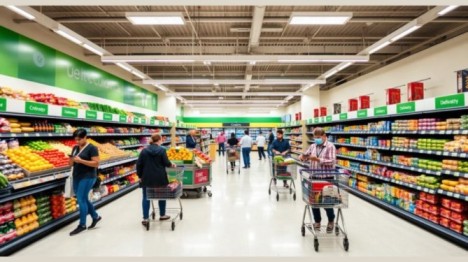
- Collecting surplus food from farms, markets, supermarkets, restaurants, and manufacturers
- Sorting and ensuring food safety
- Redistributing it through community kitchens, shelters, schools, and local NGOs
Organizations like Bancos de Alimentos (Food Banks) across Mexico, Colombia, Argentina, and Chile have built nationwide networks that recover millions of meals annually.
In Brazil, programs like Mesa Brasil SESC work with thousands of donor companies to redirect excess food to vulnerable communities — not sporadically, but as part of a stable system.
How Food Rescue Is Changing Lives
Food rescue programs deliver more than calories — they restore dignity.
Instead of charity based solely on donations, these initiatives create predictable access to nutritious food, allowing families to plan, children to concentrate in school, and communities to stabilize.
Some tangible impacts include:
- Improved nutrition for children and elderly populations
- Reduced household food costs
- Strengthened local community networks
- Lower environmental footprint from reduced landfill waste
In Medellín, Colombia, rescued food supports neighborhood community kitchens that double as social hubs, where residents not only eat but share skills and support each other.
The Environmental Payoff
Food waste is not just a moral issue — it’s an environmental one.
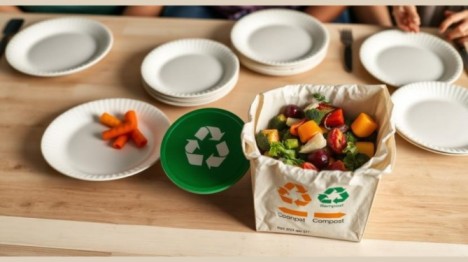
When food decomposes in landfills, it releases methane, a greenhouse gas far more potent than carbon dioxide. By rescuing food, these programs:
- Reduce emissions
- Save water and energy embedded in food production
- Cut landfill overflow
- Promote more responsible consumption
In Chile, food rescue is now being tied directly into national climate strategies, proving that hunger relief and environmental protection can go hand in hand.
Where Design Meets Impact
What often goes unnoticed is how much communication, branding, and storytelling contribute to the success of food rescue programs.
Public trust is everything. People need to believe that rescued food is safe, dignified, and worthy of consumption. That’s where thoughtful visual communication becomes essential — from donor campaigns to educational materials and social media awareness.
This is why elements like collage design are frequently used in campaigns: they visually connect farmers, food, volunteers, and beneficiaries in a single narrative. It’s not just aesthetic — it’s a powerful way to tell complex stories simply, emotionally, and inclusively.
Good design helps these initiatives feel less like emergency relief and more like a shared social movement.
The Challenges Still Ahead
Despite their success, food rescue programs face real barriers:
1. Food Safety Regulations
In some countries, unclear or overly strict liability laws discourage businesses from donating food.
2. Logistics
Cold storage, transport, and sorting facilities are expensive and often underfunded.
3. Awareness
Many businesses still prefer to discard surplus rather than change processes or partner with rescue programs.
4. Cultural Perceptions
There can be stigma attached to receiving “rescued” food, especially when dignity is not prioritized.
Overcoming these requires not just funding, but policy reform, public education, and cross-sector collaboration.
What Businesses Can Do Today
Whether you’re running a supermarket, restaurant, farm, or food brand, there are concrete steps you can take:
- Audit your waste: Identify where and why surplus happens
- Partner locally: Find a food rescue organization in your city
- Adjust standards: Reconsider cosmetic rejection of produce
- Improve storage and forecasting
- Train staff to value donation as a first option, not a last resort
Some companies in Peru and Mexico now integrate food rescue into their ESG strategies — proving that social responsibility and profitability can coexist.
How Communities and Individuals Can Get Involved
Food rescue isn’t only for large institutions. Individuals play a role too:
- Volunteer with food banks or community kitchens
- Advocate for Good Samaritan laws that protect donors
- Support local markets that sell imperfect produce
- Reduce personal food waste at home
- Share awareness on social platforms
Small actions, multiplied, shape cultural change.
A Model for the Future of Food Systems
What makes food rescue in Latin America particularly inspiring is its adaptability.
Programs operate in megacities and rural villages alike. They work in economies both formal and informal. They engage corporations and grassroots activists in the same mission.
In a region long marked by inequality, food rescue offers a rare model where efficiency, compassion, and sustainability align.
And perhaps most importantly, it reframes food not as a disposable commodity, but as a shared resource that connects us all.
Conclusion
Food rescue programs in Latin America prove that the fight against hunger doesn’t always start with producing more sometimes it starts with wasting less. By transforming surplus into sustenance, these initiatives are quietly redefining what responsible food systems look like.
They show us that progress doesn’t always require new inventions sometimes it simply requires seeing value where others see excess, and building systems that honor both people and the planet.
And that’s a lesson the world could use right now.