Garbanzo Cubano, also known as Cuban chickpeas, is a staple ingredient in Cuban cuisine, celebrated for its versatility, nutritional value, and cultural significance. This article provides an in-depth guide to Garbanzo Cubano, covering its history, culinary uses, nutritional benefits, and practical tips for incorporating it into everyday meals.
What Is Garbanzo Cubano?
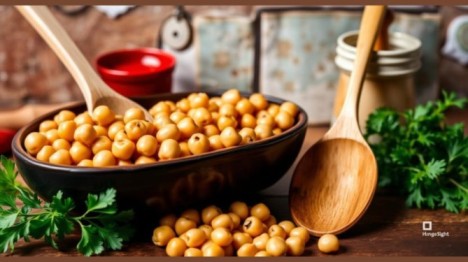
Garbanzo Cubano is a variety of chickpea that has been widely used in Cuban kitchens for generations. Chickpeas themselves have origins tracing back thousands of years to the Middle East, but in Cuba, they have been adapted to local tastes and cooking methods. They are smaller and slightly creamier than the more common Mediterranean chickpeas, making them ideal for soups, stews, salads, and even snacks.
A Brief History of Garbanzo Cubano
The introduction of chickpeas to Cuba is linked to Spanish colonization, when legumes became an essential part of the local diet due to their affordability and long shelf life. Over time, Cuban cooks developed unique methods of preparing Garbanzo Cubano, incorporating it into both everyday meals and festive dishes. Today, it represents not just nutrition, but also a connection to Cuban heritage and culinary tradition.
Nutritional Benefits: Garbanzo Cubano as a Superfood
Garbanzo Cubano is more than just a flavorful legume; it is highly nutritious. Key benefits include:
- High Protein Content: Essential for muscle repair and growth, making it a great plant-based protein source.
- Rich in Fiber: Supports digestive health and helps regulate blood sugar levels.
- Micronutrients: Contains iron, magnesium, potassium, and folate, contributing to overall wellness.
- Low Fat: Ideal for heart-healthy diets while providing long-lasting energy.
Because of these benefits, Garbanzo Cubano is often referred to as a nutritious superfood from Cuba, suitable for vegetarians, vegans, and anyone looking to add healthy ingredients to their diet.
Culinary Uses: Easy Garbanzo Cubano Dishes You Can Make at Home
One of the reasons Garbanzo Cubano remains popular is its versatility in the kitchen. Here are some practical ways to use it:
1. Cuban Garbanzo Stew
A hearty stew with tomatoes, onions, garlic, bell peppers, and spices. It can be made with or without meat, providing a flexible dish for various dietary preferences.
2. Garbanzo Salads
Mix cooked Garbanzo Cubano with fresh vegetables, olive oil, lime juice, and Cuban spices for a refreshing and protein-rich salad.
3. Garbanzo Soups
Blended into creamy soups or left whole for chunky textures, Garbanzo Cubano makes for warming, nutrient-dense meals.
4. Snacks and Roasted Garbanzos
Roast Garbanzo Cubano with spices like paprika, cumin, and salt for a crunchy, healthy snack that’s perfect on the go.
Each of these dishes balances flavor, nutrition, and ease of preparation. However, challenges can arise, such as the longer cooking time required for dried chickpeas or the need for proper seasoning to match authentic Cuban flavors.
Tradeoffs and Challenges in Cooking Garbanzo Cubano
While Garbanzo Cubano is versatile, there are some tradeoffs to consider:
- Time vs Convenience: Using dried Garbanzo Cubano requires soaking and longer cooking, whereas canned options are quicker but may contain added sodium.
- Flavor vs Nutrition: Overcooking can lead to mushy texture and nutrient loss, while undercooking may make them hard and difficult to digest.
- Authenticity vs Adaptation: Traditional Cuban recipes may use specific seasonings that are harder to find outside Cuba, requiring creative substitutions.
Understanding these factors is important when deciding how to incorporate Garbanzo Cubano into your cooking routine. Proper preparation can maximize both taste and nutritional benefits.
How to Buy and Store Garbanzo Cubano
For the best results:
- Buying Tips: Look for firm, evenly colored chickpeas without cracks. Both dried and canned Garbanzo Cubano are widely available in Cuban or Latin grocery stores.
- Storage: Store dried chickpeas in a cool, dry place for up to a year. Canned chickpeas should be used by the expiration date and refrigerated after opening.
Proper storage preserves flavor, texture, and nutritional value, ensuring every dish you make is delicious and healthy.
Conclusion: Why Garbanzo Cubano Matters
Garbanzo Cubano is more than just an ingredient it’s a culinary tradition, a source of nutrition, and a versatile option for healthy meals. From hearty stews to quick salads, it offers endless possibilities for home cooks. While challenges like cooking time and seasoning may require careful attention, the benefits far outweigh the effort.