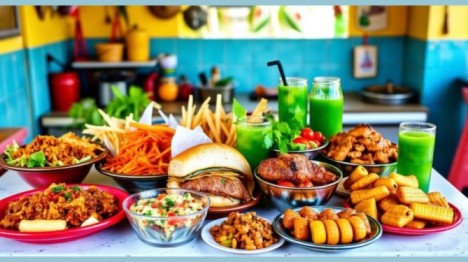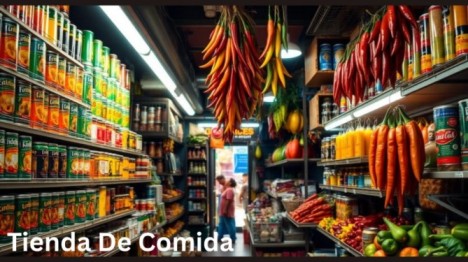
Peruvian food has rapidly gained international recognition for its unique combination of flavors, textures, and nutritional balance. From the bustling streets of Lima to the highlands of Cusco, Peruvian cuisine reflects a rich cultural heritage that blends indigenous ingredients with influences from Spanish, African, Asian, and Italian culinary traditions. This diversity has made Peruvian food both flavorful and, increasingly, a subject of interest for health-conscious eaters around the world.
Nutritional Diversity in Peruvian Food
One of the key factors that makes Peruvian food stand out is its natural nutritional diversity. Ingredients like quinoa, sweet potatoes, maize, and a variety of legumes provide a rich source of vitamins, minerals, and fiber. Fresh seafood from the Pacific coast, including fish like corvina and anchovies, offers high-quality protein and essential omega-3 fatty acids. At the same time, traditional Peruvian dishes often incorporate lean meats, such as guinea pig (cuy) and chicken, which provide protein without excessive saturated fat.
Balancing these nutrient-dense ingredients allows Peruvian food to be both satisfying and health-conscious. For example, ceviche, a signature dish made with fresh fish marinated in lime juice and served with vegetables, is naturally low in calories but rich in flavor and essential nutrients.
Flavor Without Compromise
Flavor is central to the appeal of Peruvian food. The cuisine is known for its bold use of spices, herbs, and sauces, such as aji amarillo (yellow chili pepper) and huacatay (Andean black mint). These ingredients enhance taste without relying on excessive salt or fat, making the dishes both delicious and healthier.
However, the tradeoff often comes in portion control and preparation methods. Some Peruvian dishes, like lomo saltado, combine stir-fried beef with fried potatoes, which can increase calorie content. Balancing indulgence and health requires thoughtful choices about cooking methods, ingredient proportions, and portion sizes.
Challenges in Maintaining Health and Flavor
While Peruvian food has inherent health benefits, maintaining both nutrition and authentic flavor can present challenges. Traditional cooking methods, such as frying or using rich sauces, may compromise the healthiness of a dish. On the other hand, attempts to make dishes lower in fat or calories can sometimes reduce the depth of flavor that makes Peruvian cuisine distinctive.
Another challenge is sourcing fresh, local ingredients. Many Peruvian staples, like certain grains, tubers, and native vegetables, may not be readily available outside of Peru. Substituting ingredients can affect both taste and nutritional content, making it difficult to recreate authentic, healthy Peruvian dishes abroad.
The Role of Cultural and Culinary Awareness
When exploring the best of Peruvian food, it is important to consider cultural context. Peruvian cuisine is deeply tied to local traditions, seasonal availability, and indigenous knowledge of ingredients. Choosing dishes and preparation methods that respect these traditions while prioritizing health requires awareness of how different factors interact, including ingredient sourcing, cooking techniques, and nutritional balance.
Additionally, dietary preferences and restrictions can influence decisions about what constitutes “healthy and flavorful.” For example, vegetarian or gluten-free adaptations may require careful planning to ensure that flavor and nutrition are not compromised.
Conclusion
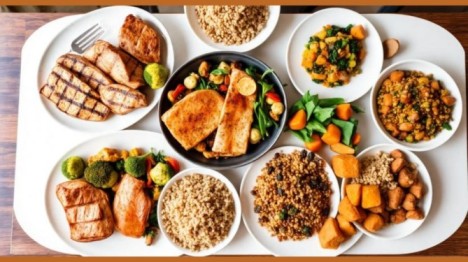
Peruvian food offers a remarkable balance of flavor, nutrition, and cultural richness. Its diverse ingredients, bold seasonings, and traditional preparation methods make it both satisfying and health-conscious when approached thoughtfully. Achieving the best of Peruvian food healthy and flavorful requires careful consideration of ingredient choices, cooking techniques, and portion control. By understanding the tradeoffs involved, enthusiasts can enjoy authentic Peruvian cuisine without sacrificing nutrition or taste.
Ultimately, the growing global appreciation for Peruvian food reflects not only its culinary excellence but also its potential as a sustainable and nutritious dietary choice.