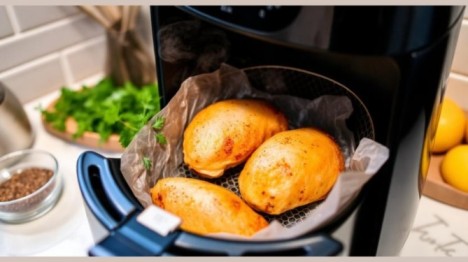
Salmon is one of the most beloved fish in the kitchen, rich, flavorful, and loaded with healthy omega-3s. But nailing the perfect cook can feel tricky. Too little heat and it’s raw in the center; too much and it turns dry and chalky. The secret? Knowing your temperatures.
Why Temperature Is Everything
Salmon is unforgiving when overcooked. Its delicate fat content is the very thing that makes it so delicious and evaporates quickly under excess heat, leaving you with a dry, rubbery fillet instead of the buttery, flaky result you were after. Getting the internal temperature right is the single most important step in cooking salmon well.
The Doneness Chart
| Doneness | Internal Temp | What to Expect |
| Rare | 110–120°F | Soft, translucent — best for sushi-grade salmon |
| Medium-Rare | 120–125°F | Silky, moist, slightly translucent center |
| Medium | 125–135°F | Flaky, juicy, rich — the sweet spot for most |
| Well Done | 140–145°F | Fully opaque and firm, but risks drying out |
The USDA recommends 145°F for food safety, but many chefs and home cooks prefer pulling salmon off the heat a bit earlier for superior texture.
Pro tip: Remove salmon from heat about 5°F before your target. Carryover cooking will finish the job as it rests.
Cooking Methods & Times
Oven-Baked — Preheat to 375–400°F. Cook 12–15 minutes per inch of thickness. Great for an even, hands-off cook.
Pan-Seared — Cook skin-side down in a hot pan for 4–6 minutes per side. This method delivers the crispiest skin.
Grilled — Medium heat, 10–15 minutes total, flipping once. Keep the lid closed for consistent temperature.
Air Fryer — 375°F for 8–10 minutes. Crispy edges, moist interior, minimal effort.
Poached — Simmer gently for 10–15 minutes. The most delicate method, ideal for light, clean flavors.
No Thermometer? Use Your Senses
A meat thermometer is the most reliable tool, but if you don’t have one:
- Look — The flesh shifts from glossy and translucent to matte and opaque.
- Press — It should feel firm but still spring back slightly under your finger.
- Fork test — Gently twist a fork in the thickest part. If it flakes cleanly, it’s done.
If it’s falling apart or looks chalky, it’s gone too far.
Leave the Skin On
Always cook salmon skin-on when possible. The skin acts as a natural insulator, protecting the flesh from direct heat and helping it cook more evenly. When seared properly, it crisps up beautifully adding both texture and flavor. It also holds in moisture and contributes extra omega-3s to your meal.
Five Rules for Perfect Salmon
- Start with quality fish — Great salmon needs less effort to taste incredible.
- Don’t walk away — Salmon cooks fast. Stay close.
- Use a thermometer — Guessing is the enemy of a great fillet.
- Let it rest — Three to five minutes off the heat makes a real difference.
- Season simply — Salt, pepper, lemon, and olive oil. Let the fish do the talking.
Match the Method to the Mood
- Want crispy skin? → Pan-sear it.
- Want a juicy, tender interior? → Bake or air fry.
- Want something light and clean? → Poach it.
- Want smoky depth? → Fire up the grill.
The Bottom Line
Perfect salmon isn’t about following one rigid rule, it’s about understanding what you like and cooking with intention. While 145°F is the safe standard, most people find the real magic happens between 125–135°F, where the fish is fully cooked but still beautifully moist.
Invest in a good thermometer, pay attention to your heat, and don’t rush the rest. Do those three things, and restaurant-quality salmon at home becomes completely achievable.