What Makes comidas cubanas tradicionales So Special in World Cuisine?
comidas cubanas tradicionales represent much more than just food; they reflect history, culture, and identity. Cuban cuisine developed through a rich blend of Spanish, African, and Caribbean influences, which together created a unique culinary tradition. As a result, every dish tells a story of migration, adaptation, and creativity.
Moreover, these traditional meals are known for their bold yet balanced flavors. Cooks often use simple ingredients like rice, beans, pork, plantains, and spices, yet they transform them into deeply satisfying dishes. Because of this simplicity combined with flavor depth, comidas cubanas tradicionales continue to attract food lovers around the world.
In addition, Cuban food emphasizes comfort and family connection. Meals are often prepared in large portions, encouraging sharing and togetherness. Therefore, the cuisine is not just about eating—it is about experiencing warmth and hospitality.
What Are the Most Popular Dishes in comidas cubanas tradicionales?
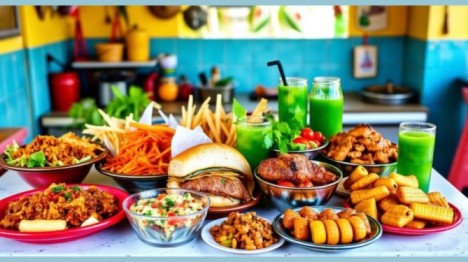
When exploring comidas cubanas tradicionales, several iconic dishes immediately stand out. Each one highlights a different aspect of Cuban culinary identity.
One of the most famous dishes is Ropa Vieja, a slow-cooked shredded beef dish simmered in tomato-based sauce with peppers and onions. It is flavorful, tender, and deeply aromatic. Another staple is Arroz con Frijoles Negros, a classic combination of rice and black beans that serves as the backbone of many Cuban meals.
Additionally, Lechón Asado (roast pork) plays a central role in celebrations and gatherings. The meat is marinated with citrus, garlic, and spices, then slow-roasted until crispy on the outside and juicy inside. Meanwhile, Tostones twice-fried green plantains offer a crunchy and savory side dish that complements nearly every meal.
Because these dishes are widely loved, they define the heart of comidas cubanas tradicionales and continue to be passed down through generations.
How Do Ingredients Shape comidas cubanas tradicionales Flavors?
The foundation of comidas cubanas tradicionales lies in its ingredients. Although the cuisine uses simple components, it relies heavily on seasoning techniques and natural flavor enhancement.
For instance, garlic, cumin, oregano, and bay leaves are frequently used to build depth. Citrus juices like sour orange (or lime as a substitute) add brightness and balance rich meats. Furthermore, sofrito, a base mixture of onions, peppers, garlic, and tomatoes is essential in many recipes.
In addition, plantains and yuca provide texture and substance, while rice and beans form a filling and nutritious base. Because of this combination, meals are both hearty and flavorful without requiring overly complex preparation.
As a result, comidas cubanas tradicionales demonstrate how basic ingredients can create extraordinary dishes when used thoughtfully.
Why Is Rice and Beans So Important in comidas cubanas tradicionales?
Rice and beans are not just a side dish in comidas cubanas tradicionales—they are a cultural symbol. Known as moros y cristianos (black beans and rice), this dish reflects the historical blending of cultures in Cuba.
The preparation is simple yet meaningful. Beans are cooked with spices, garlic, and sometimes pork, then combined with rice to absorb all the rich flavors. The result is a comforting and nutritious dish that appears in almost every Cuban household.
Moreover, rice and beans provide essential protein and energy, making them a practical staple. Because of this, they remain a constant presence in daily meals and celebrations alike.
Therefore, understanding this dish is key to appreciating the foundation of comidas cubanas tradicionales.
How Do comidas cubanas tradicionales Reflect Cuban Culture and Lifestyle?
Food often reflects the lifestyle of a nation, and comidas cubanas tradicionales are no exception. Cuban culture values family, community, and celebration, and these values are clearly visible in its cuisine.
For example, meals are rarely eaten alone. Instead, families gather around large tables, sharing dishes and conversations. Additionally, food preparation is often a social activity where multiple generations participate.
Furthermore, many traditional recipes are passed down orally from grandparents to grandchildren. This helps preserve cultural identity and ensures that culinary traditions remain alive.
Because of these practices, comidas cubanas tradicionales serve as a bridge between generations, connecting the past with the present.
What Role Do Festivities Play in comidas cubanas tradicionales?
Festivals and celebrations significantly influence comidas cubanas tradicionales. During special occasions such as Christmas, New Year, and birthdays, families prepare elaborate meals that go beyond everyday cooking.
For instance, Lechón Asado is especially popular during New Year’s Eve celebrations. Large gatherings often include rice dishes, fried plantains, desserts, and traditional beverages. Additionally, music and dance accompany these meals, making food part of a larger cultural experience.
Moreover, these festive meals symbolize unity and joy. As a result, food becomes a central part of cultural expression during important events.
Thus, celebrations highlight the richness and diversity of comidas cubanas tradicionales in a powerful way.
Frequently Asked Questions About comidas cubanas tradicionales
What defines comidas cubanas tradicionales?
comidas cubanas tradicionales are defined by a blend of Spanish, African, and Caribbean influences, using simple ingredients prepared with rich seasoning techniques.
Are comidas cubanas tradicionales spicy?
Generally, they are not very spicy. Instead, they focus on aromatic flavors such as garlic, cumin, and herbs.
Can comidas cubanas tradicionales be made outside Cuba?
Yes, many dishes can be prepared worldwide using accessible ingredients and simple cooking methods.
What is the most famous Cuban traditional dish?
Ropa Vieja is widely considered one of the most iconic dishes in comidas cubanas tradicionales.
Are comidas cubanas tradicionales healthy?
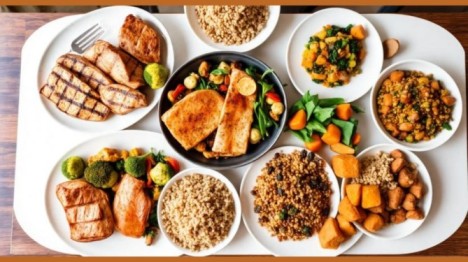
Many dishes are balanced and nutritious, especially those that include beans, rice, vegetables, and lean meats.
How Can You Experience comidas cubanas tradicionales at Home?
If you want to enjoy comidas cubanas tradicionales at home, start with simple recipes like rice and beans or fried plantains. Gradually, you can explore more complex dishes such as ropa vieja or lechón asado.
Additionally, focus on building flavor through seasoning rather than complexity. Using garlic, onions, citrus, and herbs will help you achieve authentic taste.
Most importantly, cook with patience and enjoy the process. Cuban cuisine is not rushed; it is prepared with care and shared with love.
Therefore, by recreating these dishes at home, you can experience a small part of Cuban culture wherever you are.
Conclusion: Why comidas cubanas tradicionales Continue to Inspire the World
In conclusion, comidas cubanas tradicionales offer more than just delicious meals, they provide a cultural journey filled with history, tradition, and emotion. From simple rice and beans to festive roasted pork, each dish tells a story of resilience and creativity.
Moreover, their global popularity continues to grow as more people discover their comforting flavors and cultural richness. Ultimately, exploring these traditional dishes allows us to appreciate not only Cuban cuisine but also the values of community and heritage behind it.